
AD 2026-04-11 requires repeated oil-filter inspections on Lycoming engines with certain connecting rod bushings. As written, it applies to engines installed in type-certificated aircraft and not to amateur-built aircraft. The same parts are installed in many amateur-built aircraft.
What the directive covers
AD 2026-04-11 took effect April 8, 2026. It replaces AD 2024-21-02 and covers more engines. The FAA says the range of ship dates for the suspect parts has grown, and so has the list of replacement parts that are acceptable.
The concern is the bushing in the connecting rod. The FAA cites several reports of connecting-rod failures that ended in uncontained engine failures and in-flight shutdowns.
The directive is written around parts, not around a list of engines. It applies to Lycoming engines that have one of nine part numbers installed (connecting rod bushing LW-13923 and eight connecting rod assemblies) and were assembled within a ship date range of January 30, 2009, to September 9, 2021. A note lists the engine families known to have those parts, and many are common in amateur-built aircraft: the O-320, IO-320, O-360, IO-360, IO-390, O-540 and IO-540 series are all on it, along with a few dozen others. The FAA puts the count at 45,152 engines on airplanes of U.S. registry.
What it requires
At the next oil change, or within four months of the effective date if that came first, and at every oil change after that, the oil filter and screens get a visual inspection for bronze particles. The directive lets an owner or operator who holds at least a private pilot certificate do that check, as long as it's entered in the aircraft records.
If bronze particles are found and the connecting rod bushings are the source, the aircraft may not fly until the bushings have been inspected by the procedure in Lycoming Mandatory Service Bulletin No. 630B, dated June 11, 2025. Bushings that fail come out and are replaced before further flight.
In every case, the bushings are replaced at the next engine overhaul. That ends the repeat inspections.
Does it apply to a homebuilt?
By the FAA's published guidance, no.
The agency's advisory circular on airworthiness directives, AC 39-7D, puts it in one sentence: "Unless stated otherwise ... ADs only apply to type-certificated (TC) aircraft, including ADs issued for an engine, propeller, and appliance." Amateur-built aircraft are the circular's first example of aircraft that aren't type-certificated.
The circular uses a Lycoming directive as its example. An AD that says only that it "applies to Lycoming Engines Models AEIO-360-A1A and IO-360-A1A" reaches those engines when they are installed in type-certificated aircraft. To reach them anywhere else, the FAA adds a second sentence: "This AD applies to any aircraft with the listed engine models installed."
AD 2026-04-11 doesn't have that second sentence. Its applicability paragraph names the engines, the parts and the ship dates, and nothing more.
The FAA can write a directive that reaches experimental aircraft, and says as much in its MOSAIC questions and answers: when an AD applies "as described in the AD's applicability statement," compliance is required. The applicability statement of AD 2026-04-11 does not extend to them.
The same parts in an amateur-built engine
The risk does not depend on the aircraft's airworthiness certificate. If an engine in an RV or a Glasair has one of those nine part numbers and shipped inside that window, it carries the same risk as the same engine in a Cessna.
The first step in the directive costs little: cut the filter open at oil change, look for bronze particles, and record what was found. An owner of an amateur-built aircraft with a Lycoming from those years can do the same check, whether or not the directive requires it.
Whether a particular engine has the affected parts can be determined from its build records and logbooks, and from Lycoming. The service bulletin is Lycoming's document and is available from the company.
An owner who wants a ruling on a particular airplane should ask the local Flight Standards District Office. This article reports what the FAA's documents say and is not an FAA determination.
Sources
All read on October 11, 2026.
- FAA, Airworthiness Directive 2026-04-11, Lycoming Engines, Federal Register, March 4, 2026, pages 10506 to 10508, Docket No. FAA-2025-1365. Effective April 8, 2026.
- FAA, Advisory Circular 39-7D, Airworthiness Directives, March 2, 2012, paragraph 9. Listed by the FAA as the current edition.
- FAA, MOSAIC Rule Frequently Asked Questions: Maintenance of LSA.
- Lycoming Mandatory Service Bulletin No. 630B, June 11, 2025, and No. 480F, May 25, 2017, from Lycoming. Referenced, not reproduced.
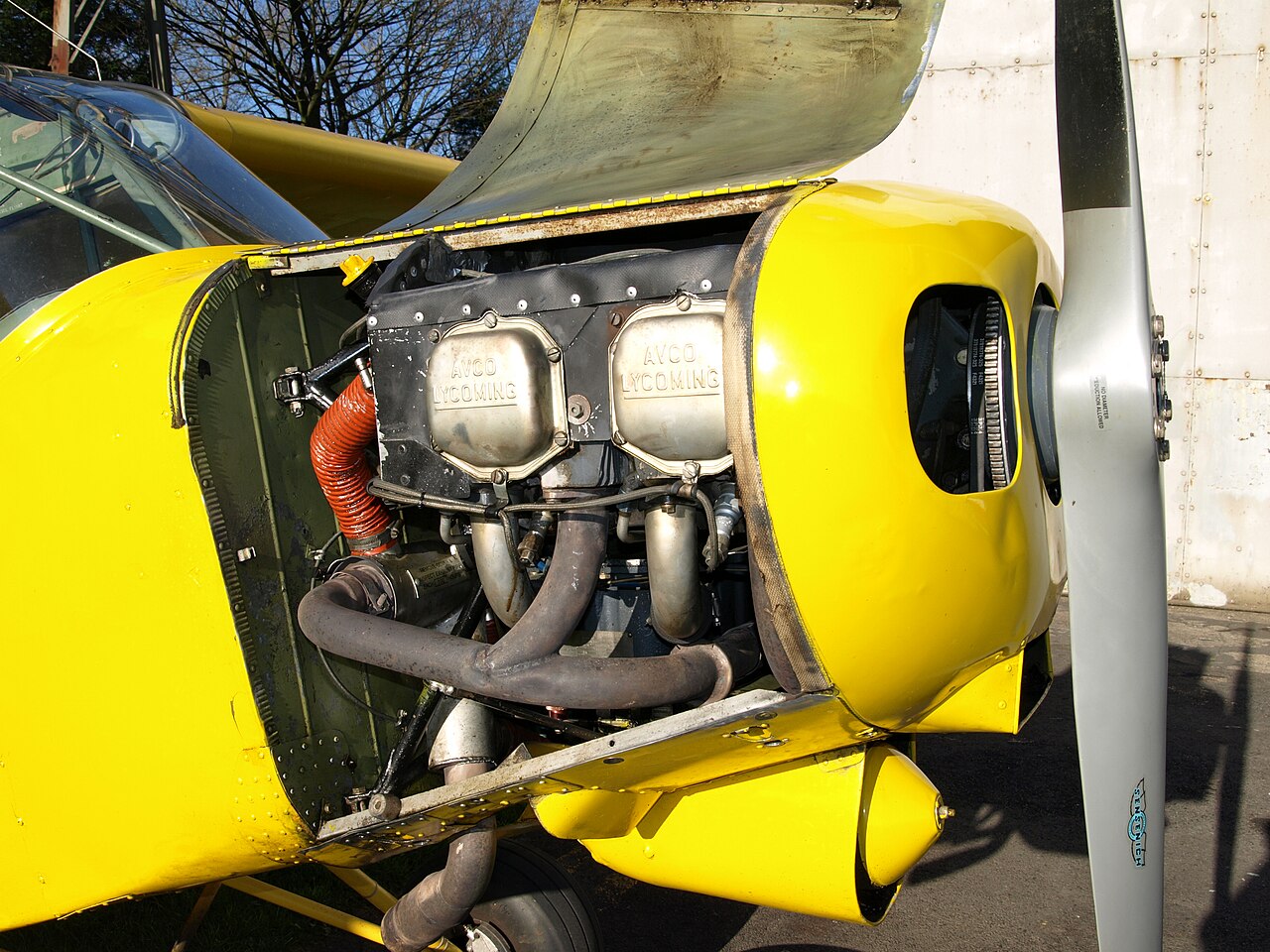
Photo: Lycoming O-360 by Nimbus227, released into the public domain, resized. The engine pictured is an illustration of the type and is not known to be affected.
